About
Mush
Statement
I paint what the day leaves behind.
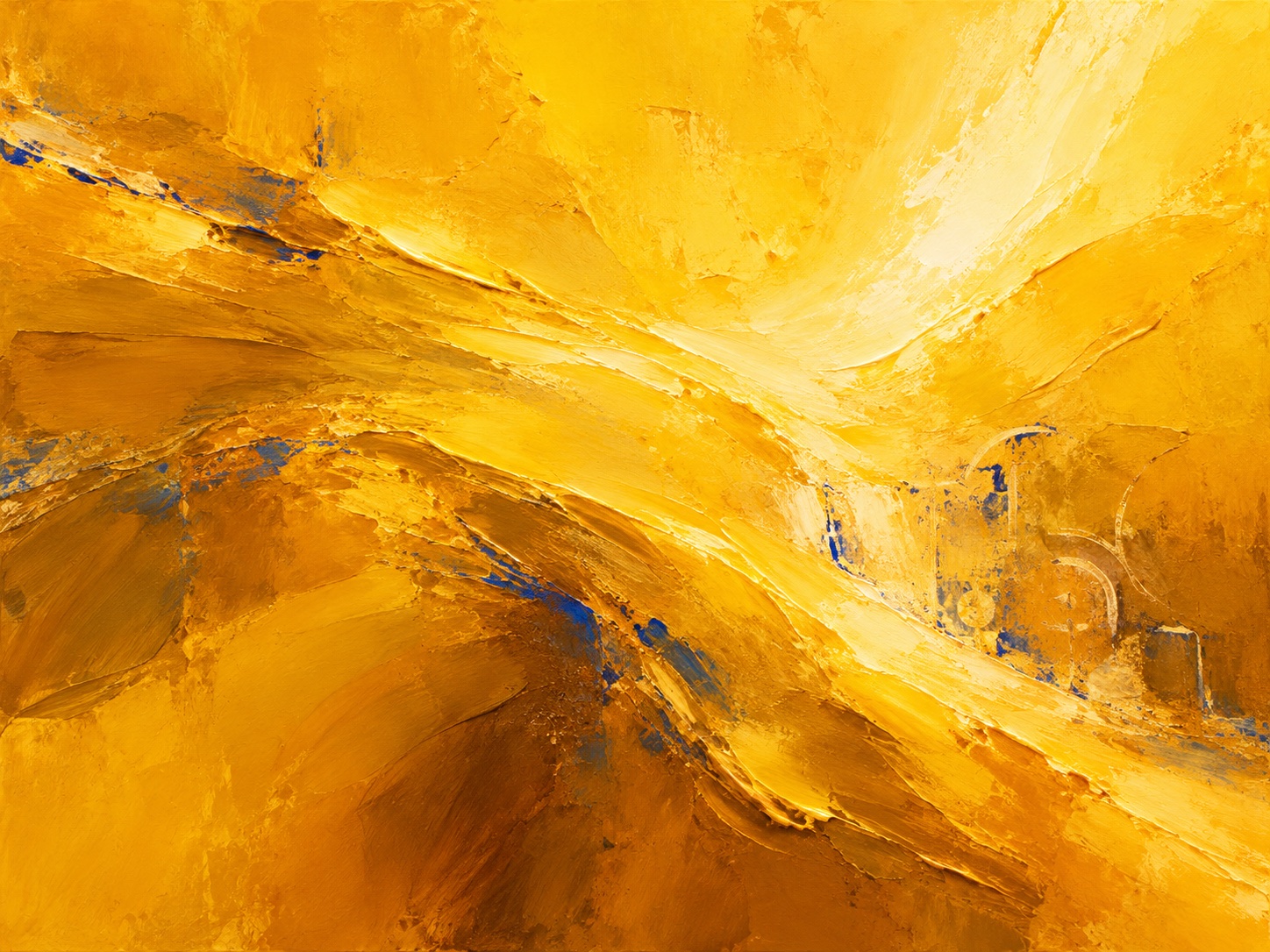
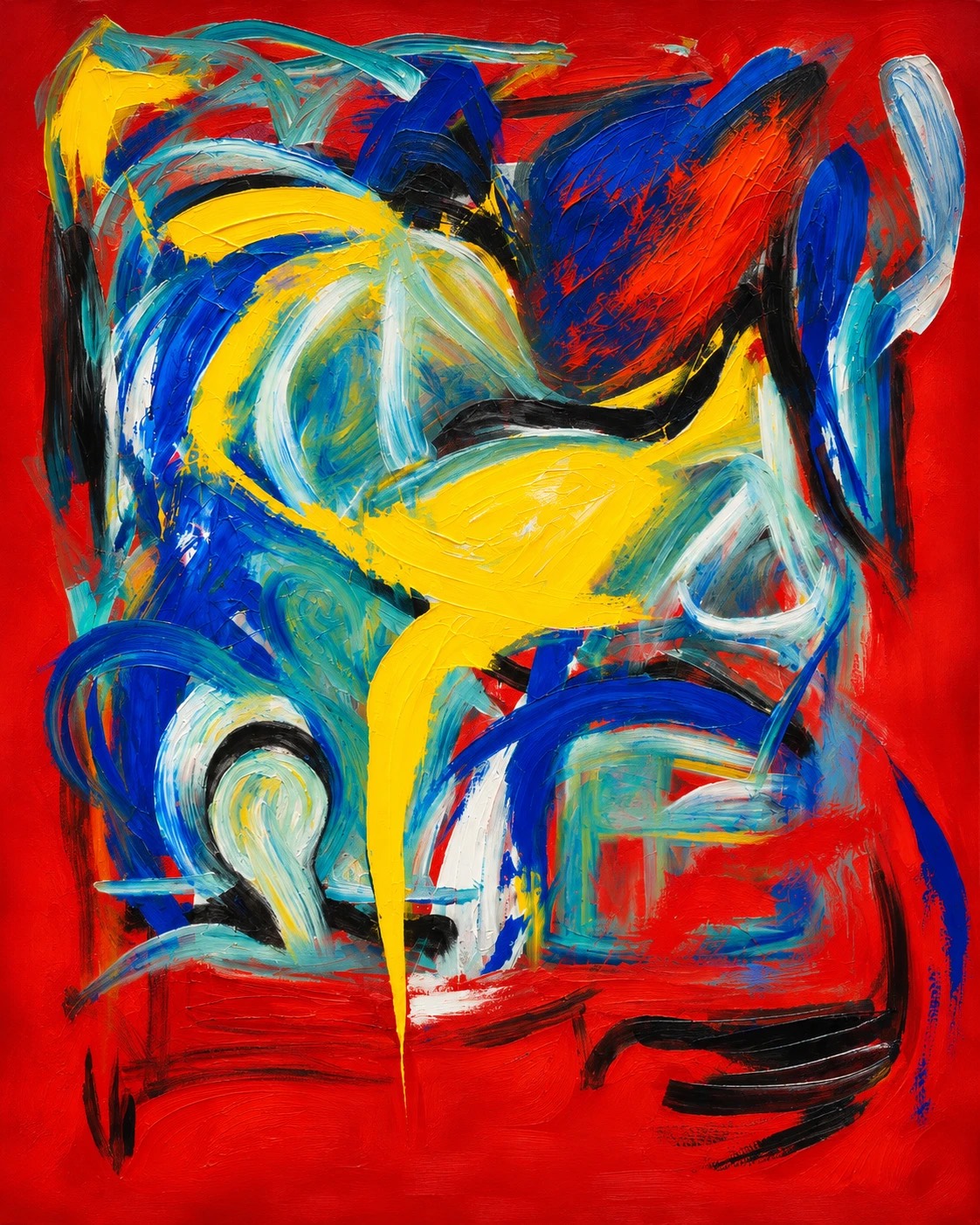
A surface gets built up with acrylic, texture medium and a knife, until it can hold weight. Then most of it gets covered again. What survives is usually small: a seam of light, a mark of red, a gesture that did not get buried. The black is not a background. It is most of the painting, and it is doing the work.
In my other life I argue for things that cannot yet be proved. A painting is the same argument made without evidence, and without anyone to persuade. It either breaks through the surface or it does not, and unlike the work I am paid for, nobody has to agree.
What keeps returning
A few concerns keep returning, without having been planned:
- What is held back The decision not to say it, and the cost of holding the decision all day.
- Shelter Darkness as refuge rather than threat. Hope as an act rather than a feeling.
- Weight Light, memory and good news treated as things with mass, because they are.
- What heat leaves Not the event, but the ridge it raised in the surface afterwards.
- Figures found late A body turning up in a canvas that was being painted over.
How they are made
The ground decides everything
Most canvases start with a blackened or saturated ground laid broadly. It is not a backdrop. It decides how much room anything after it is allowed to take, and it usually keeps more than half.
Relief before colour
Texture medium and a knife establish the fault lines, strata and raised seams while the palette is still narrow. The surface is resolved as sculpture before it is resolved as colour.
Light last, and sparingly
Ivory, gold and crimson arrive late and in small quantity. A seam of warm light reads as an event only because the field around it was left alone.
Not yet finished
Studies, production guides and the canvas currently on the easel. None of these is a finished painting, and each one says so.